
Manual Applications
Manual Applications Home » Search Results for "" (Page 246) General Information Submission of 2023 applications for undergraduate and postgraduate programmes Applications for all qualifications open on 25 April 2022 and close as follows: Friday, 29...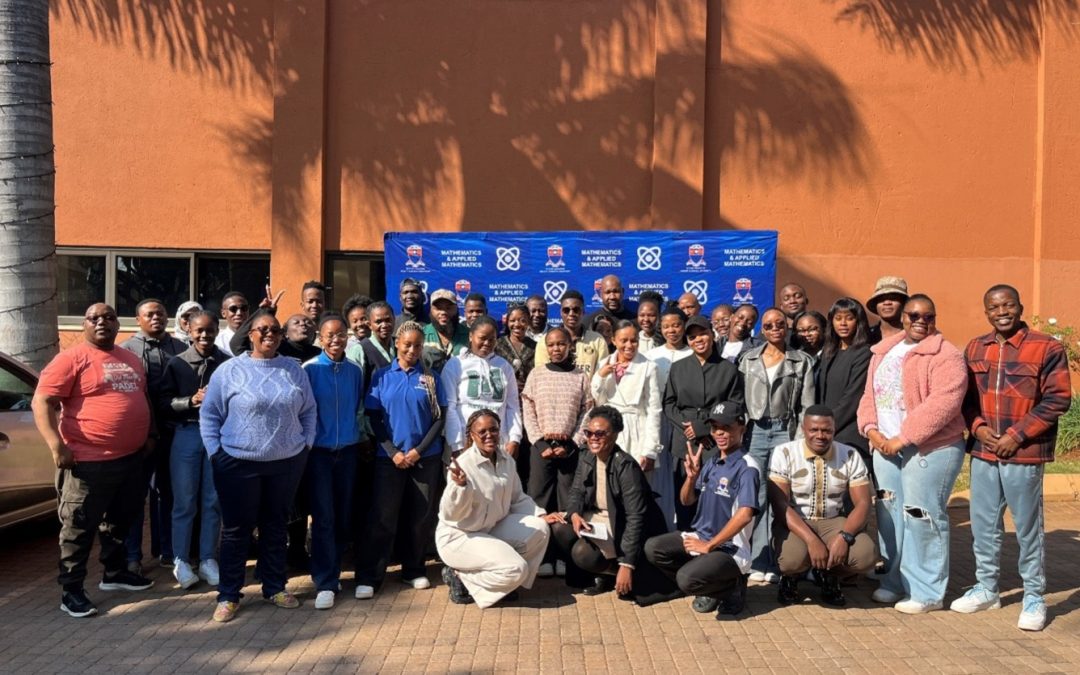
Optimal control research thrives at SMU
Sefako Makgatho Health Sciences University (SMU) reaffirmed its commitment to research excellence and innovation when its Department of Mathematics and Applied Mathematics hosted the “Optimal Control and Optimisation: Theory, Algorithms and Applications” research workshop recently at the Batter Boys Boutique Hotel in Pretoria. Supported by the DSTI-NRF Centre of Excellence in Mathematical and Statistical Sciences (CoE-MaSS), the workshop brought together postgraduate students, postdoctoral researchers, academics, and industry stakeholders to explore cutting-edge developments in mathematical sciences and their applications to real-world challenges.
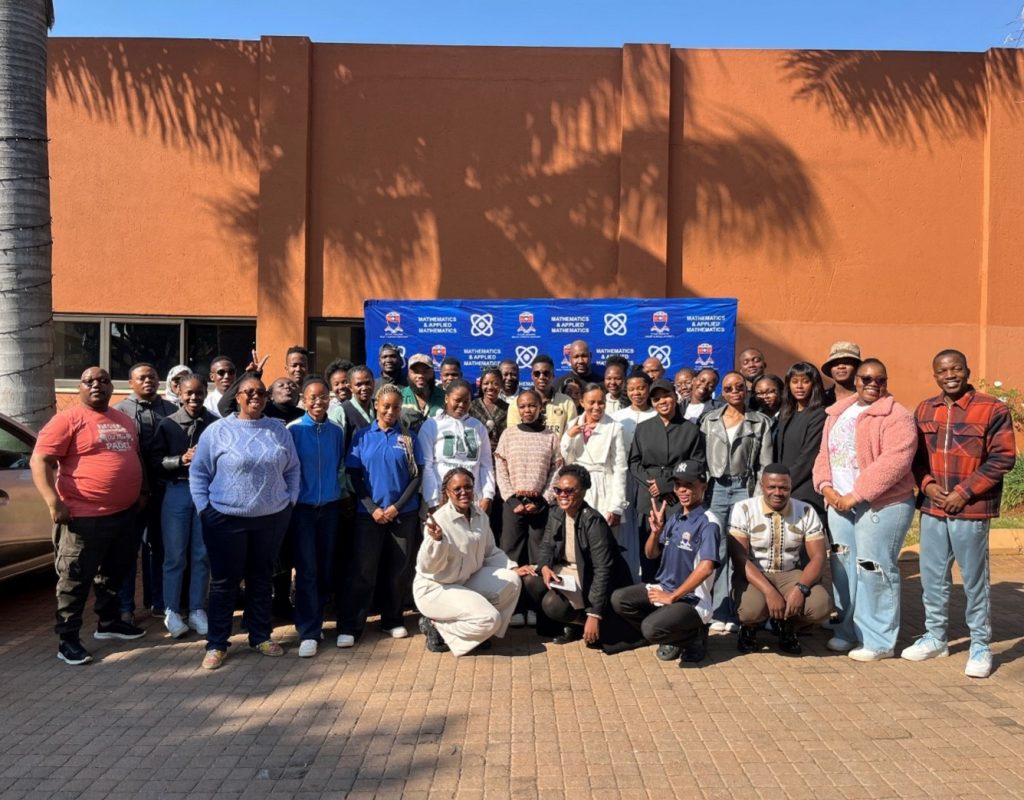 Opening the event, Professor Maggie Aphane, Head of the Department of Mathematics and Applied Mathematics, welcomed delegates and emphasised the importance of research collaboration, innovation, and academic excellence in advancing mathematical knowledge and its societal impact.
The first day focused on postgraduate research, providing emerging scholars with a platform to present their work and engage with experts in the field. The keynote address was delivered by Dr Simo Mthethwa, who presented a lecture titled The Lattice of Ideals and its Applications to Topology. His presentation introduced participants to key concepts in lattice theory and demonstrated their relevance to topology and broader mathematical thinking.
Highlighting the importance of linking theory to practice, Dr Mthethwa remarked: “If you define a mathematical concept and you cannot give an example, it does not exist.” His message resonated strongly with participants, reinforcing the value of applying abstract mathematical concepts to practical problems.
Research presentations covered a diverse range of topics, including optimisation theory, fixed-point theory, numerical analysis, mathematical finance, and machine learning. Presenters included Koketso Malebana, Malose Jim Mokonyama, Lerato Zelda Riba, Mbali Precious Phama, and Tumelo Fortunate Maloka, whose work reflected the breadth and growing impact of mathematical research within the department. Robust discussions following each presentation created opportunities for critical engagement, scholarly feedback, and professional development.
The second day shifted focus towards advanced research seminars and interdisciplinary dialogue. Doctoral candidates and postdoctoral researchers presented studies demonstrating the expanding role of mathematics across scientific and technological disciplines. Presentations explored applications in material science, metric space theory, optimisation algorithms, image restoration, variational inequalities, and computational mathematics.
Among the featured speakers were Tumisho Kekana, who examined topological indices of β12 borophene using mathematical modelling techniques, Anele Bokodisa, who presented new developments in bipolar quasi-metric spaces, Dr Austine Efut Ofem from the Tshwane University of Technology, and Dr Olawale Kazeem Oyewole, an NRF Postdoctoral Fellow at SMU, whose presentation highlighted contemporary advances in variational inequality theory.
A major highlight of the workshop was an interactive research dialogue involving Professor Aphane, Dr Mthethwa, academic staff, and postgraduate students. Discussions addressed research funding opportunities, publication strategies, academic career pathways, and the importance of collaborative research.
Dr Mthethwa encouraged students to build strong research networks and pursue interdisciplinary partnerships. He explained that collaboration strengthens research quality, expands access to funding opportunities, and creates pathways for international engagement and professional growth.
The workshop also provided valuable guidance on teaching and learning mathematics, emphasising conceptual understanding, problem-solving, analytical thinking, and proficiency in modern computational tools. Participants were encouraged to develop advanced software skills to enhance both their research capabilities and future employability.
Most presentations aligned with the workshop theme of optimal control and optimisation, showcasing how mathematical methods continue to drive innovation in fields such as finance, machine learning, computational modelling, and operations research.
The successful workshop highlighted SMU’s growing contribution to mathematical sciences research and its commitment to developing the next generation of scholars. By creating opportunities for knowledge exchange, collaboration, and professional development, SMU continues to strengthen its position as a leading institution advancing research excellence, innovation, and societal impact in South Africa and beyond.
By Tumelo Moila
SMU student recruitment strategy drives record applications
Sefako Makgatho Health Sciences University (SMU) continues to strengthen its position as one of South Africa’s leading health sciences institutions as applications for the 2026 academic year surged to 89,384 prospective students competing for just 1,265 first-year undergraduate spaces.
 The overwhelming response reflects the growing demand for specialised health sciences education and underscores SMU’s reputation for academic excellence, innovative research, and a vibrant student experience. As a dedicated health sciences university, SMU remains committed to transforming health services through excellence and innovation while preparing the next generation of healthcare professionals to serve communities locally and nationally.
According to the university’s approved enrolment plan, SMU aims to accommodate 7,596 students in 2026, including 5,641 undergraduate students and 1,955 postgraduate students. Among the postgraduate cohort are 1,307 master’s candidates and 202 doctoral students, reinforcing the university’s expanding role in developing advanced health sciences expertise.
Student Recruitment Officer Ntsheu Collins Mangena said the unprecedented number of applications signals strong public confidence in the university’s programmes and its mission to transform healthcare through education.
“Receiving nearly 90,000 applications for the 2026 intake is both encouraging and humbling,” said Mangena. “It demonstrates the trust that learners, parents and educators place in SMU as a specialised institution dedicated to training future healthcare professionals. Our goal is to attract top achievers in Mathematics and Science while strengthening relationships with teachers and career guidance counsellors across the country.”
Several programmes remain highly competitive due to national shortages of skilled healthcare professionals.
- Bachelor of Nursing and Midwifery: 15,058 applications for 60 spaces
- Bachelor of Medicine and Bachelor of Surgery (MBChB): 12,758 applications for 155 spaces, plus 50 Extended Curriculum Programme places
- Bachelor of Pharmacy: 11,977 applications for 71 spaces
- Diagnostic Radiography: 8,297 applications for 30 spaces
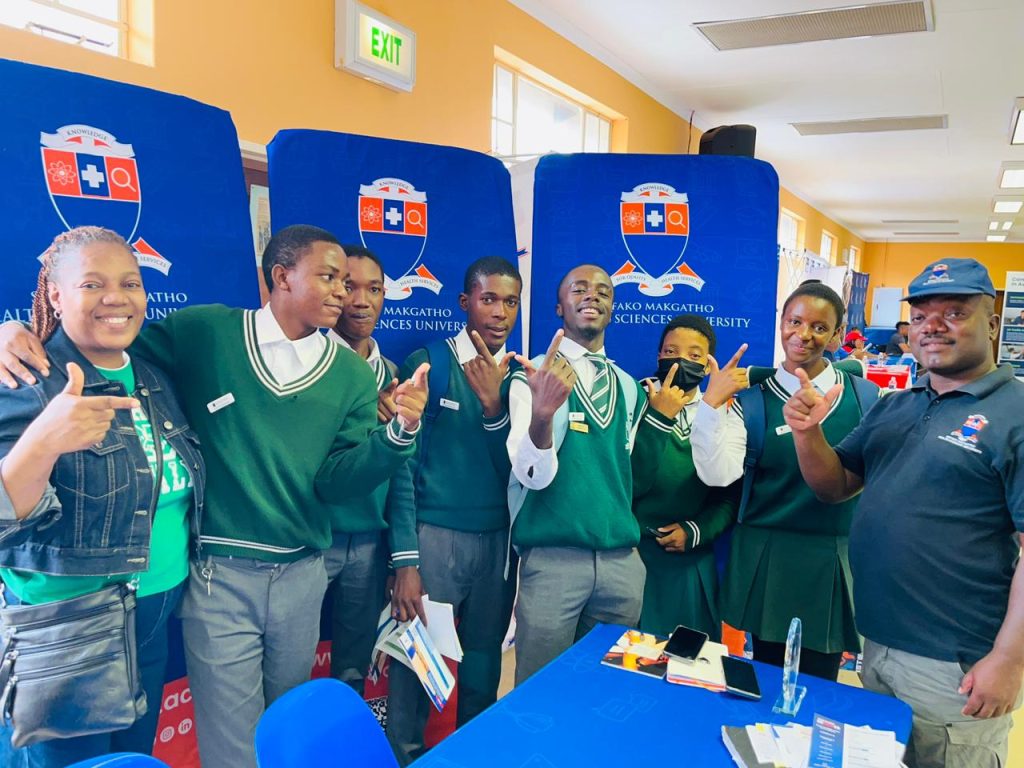 School of Health Sciences programmes have also recorded strong interest. Physiotherapy attracted 4,898 applications for 60 spaces, while Occupational Therapy received 3,358 applications for 40 places.
Meanwhile, the School of Science and Technology continues to contribute to the multidisciplinary health sciences ecosystem by offering programmes in Life Sciences, Mathematical Sciences, Environmental Biology, and Microbiology and Immunology. The school will enrol 476 students across its programmes, strengthening the scientific foundation that supports healthcare innovation.
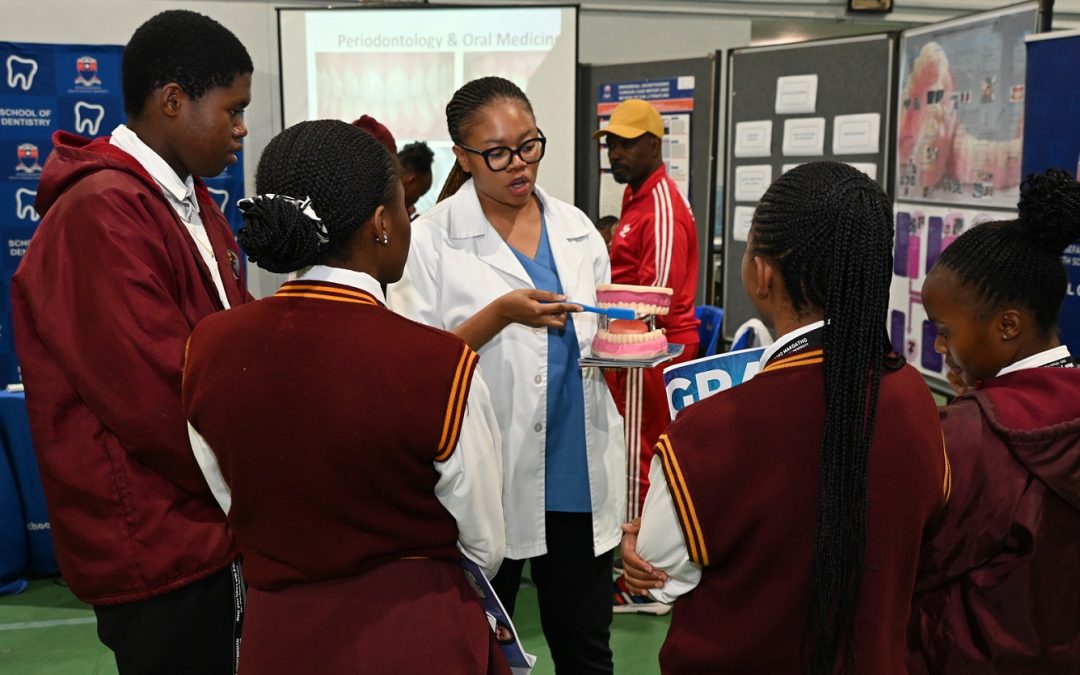
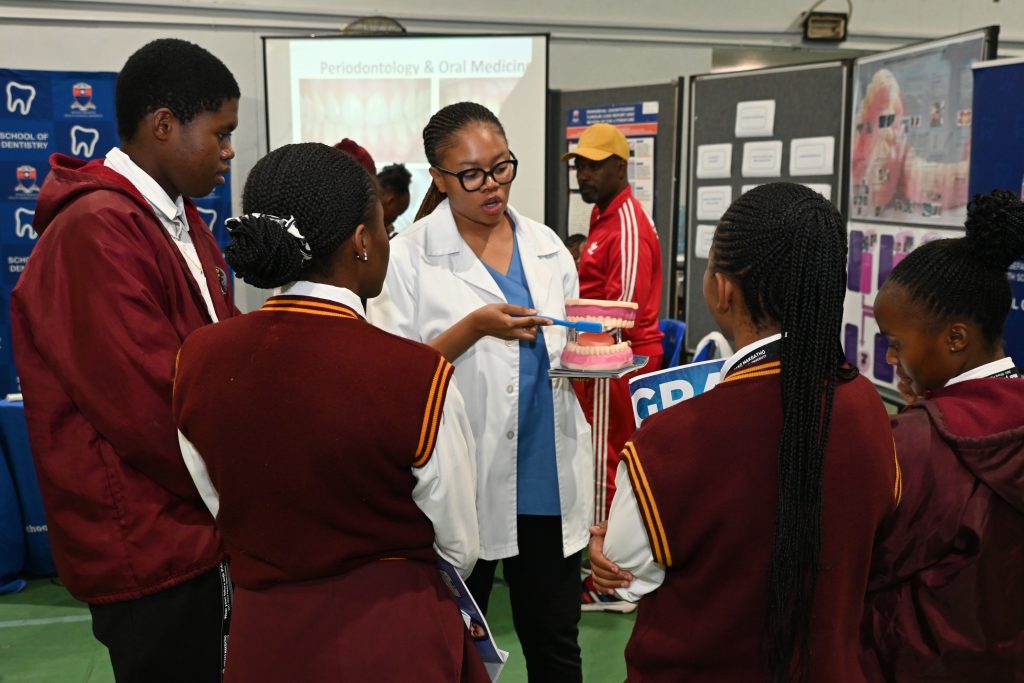
Mangena explained that SMU’s recruitment strategy has become increasingly proactive, combining school outreach, national exhibitions and regional partnerships to reach talented learners earlier in their academic journeys.
“Student recruitment is no longer passive. We actively engage learners, parents and educators through school visits, exhibitions, and information sessions so that talented students understand both the opportunities and the application process at SMU.”
The university’s 2026 Schools Liaison and Student Recruitment Plan focuses on expanding SMU’s visibility across South Africa while building a stronger regional pipeline of students. Key initiatives include monthly school visits in Gauteng, participation in major national career exhibitions, and targeted information sessions in provinces such as Mpumalanga, KwaZulu-Natal, the Free State and the Eastern Cape.
The recruitment strategy also extends beyond South Africa’s borders, with outreach planned in neighbouring countries such as Mozambique and Zambia to strengthen the university’s presence in the Southern African region.
Parents and educators are also central to the recruitment strategy. Through engagement with School Governing Bodies and education associations, the university aims to ensure that families understand programme offerings, admission requirements, and career opportunities within the health sciences.
These initiatives are supported by strategic partnerships with organisations such as the Moses Kotane Local Municipality, the Limpopo Institute of Mathematics and Science Academy, SAICA, and Future SA STEM, which help promote science, technology and healthcare careers among high-performing learners.
Guided by values that include excellence, integrity, accountability, respect, student-centred learning and Ubuntu, SMU continues to position itself as a transformative institution that responds directly to the country’s healthcare workforce needs.
As the university prepares to welcome the 2026 intake, its growing application numbers reflect more than popularity—they signal SMU’s expanding impact on health sciences education, research innovation, and community-focused healthcare across South Africa and the region.
By Tumelo Moila
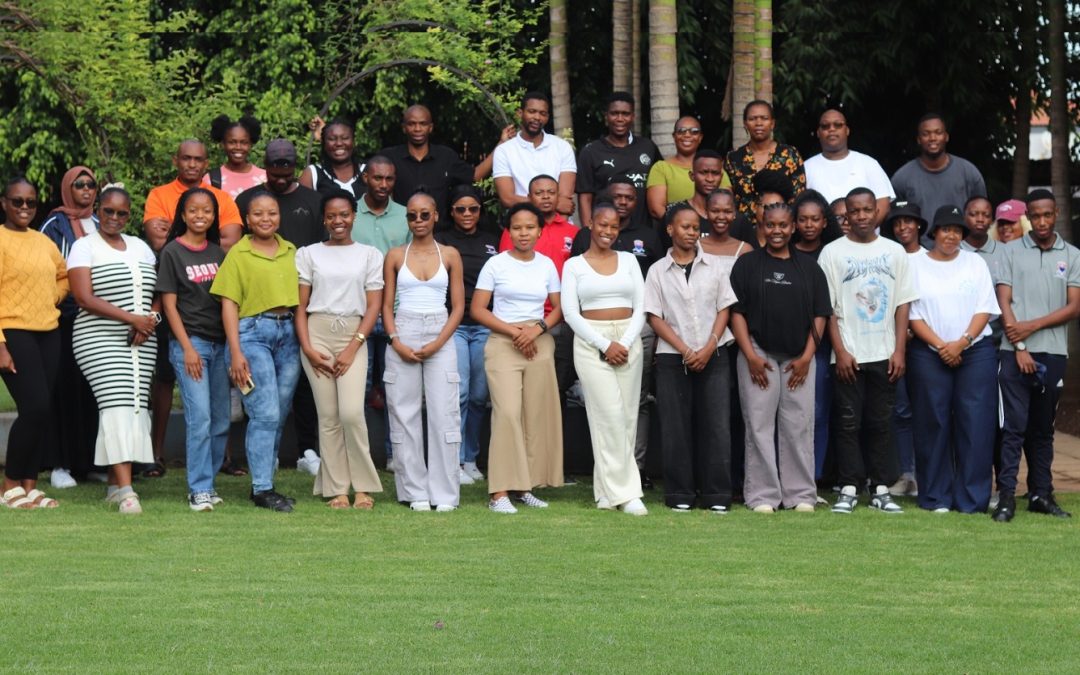
Sefako Makgatho Health Sciences University postgraduate workshop challenges students to lead with discipline and integrity
Postgraduate study demands more than intelligence. It demands discipline, independence and integrity. That was the clear message delivered at a high-impact research workshop hosted by the Department of Mathematics and Applied Mathematics at Sefako Makgatho Health Sciences University (SMU).
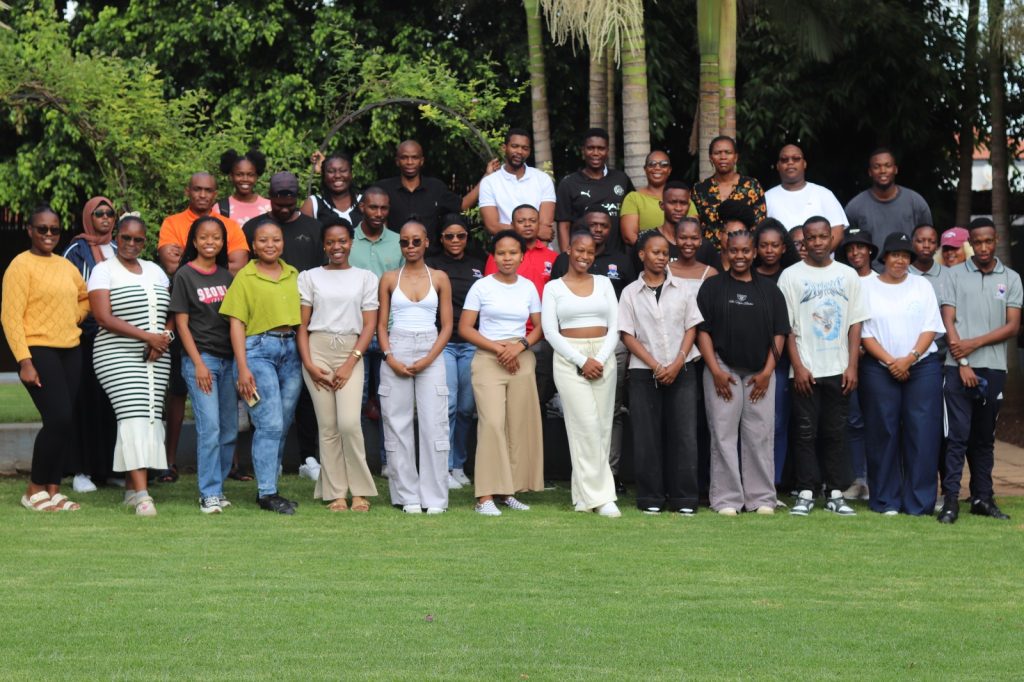 Held at Batter Boys under the theme “Advancing Research and Postgraduate Development,” the workshop brought together postgraduate students, emerging scholars and experienced academics for an intensive exchange of ideas. The programme combined research engagement with candid conversations about academic discipline, workplace expectations and professional credibility.
Programme directors Tumisho Kekana, an nGAP lecturer in the department, and Sanele Mlotshwa, a part-time lecturer and MSc student, designed the event to bridge academic rigour with real-world preparation. “We wanted students to understand that postgraduate study is not simply about completing a thesis,” Kekana explained. “It is about becoming a disciplined thinker who can manage time, produce knowledge and contribute meaningfully to society.”
Opening the workshop, Professor Maggie Aphane, Head of the Department of Mathematics and Applied Mathematics, delivered a direct and uncompromising address that set the tone for the day. “At the postgraduate level, you must learn to work without supervision,” Aphane told participants. “Be your own boss. Do not wait to be pushed before you act.”
Her message focused on personal accountability and professional maturity. She warned students that academic success depends not only on knowledge but also on integrity and work ethic. “Never work only when your supervisor is present,” she said. “Your integrity is tested when no one is watching.” She further emphasised that competence must match ambition. “Develop aptitude and invest in your skills,” she advised. “Confidence without competence will expose you.”
Throughout the workshop, speakers reinforced a set of core principles essential for postgraduate success:
- Own your research journey – Independence is expected at the postgraduate level.
- Manage your time deliberately – Discipline transforms ambition into achievement.
- Build credibility – Your academic reputation becomes your professional brand.
- Pursue consistent progress – Small, daily advances lead to meaningful results.
- Prepare for the workplace – Research discipline translates directly into career success.
Kekana stressed that structure and planning are critical to completing a research degree. “If you do not manage your time, your time will manage you,” he said. “Consistent progress, even in small steps, produces long-term impact.”
Speaking as both a lecturer and postgraduate student, Mlotshwa provided a relatable perspective on the challenges researchers face. “No one will chase you to complete your research,” he said. “You must wake up each day with intention. Research is a marathon, not a sprint.”
He urged students to cultivate resilience and self-motivation, noting that postgraduate success relies heavily on internal drive. “Last-minute effort will not carry you through a research degree,” he added. “Consistency is your greatest advantage.”
 The workshop also featured an international research presentation by Dr Jamshaid Ahmad from the University of Jeddah. His presentation, “Fixed Point Theorems in Generalised Metric Spaces with Applications,” explored advanced mathematical frameworks relevant to modern analysis. “In this work, we examine extended b-suprametric spaces and establish fixed point results for generalised contractions,” Ahmad explained. “These findings extend existing results in the literature and contribute to the ongoing development of fixed-point theory.” He encouraged participants to explore further research directions, including complex-valued extensions and additional applications within mathematical analysis.
By the end of the workshop, one message stood above all others: postgraduate education is not merely about producing research outputs. It is about shaping professionals who can think independently, act ethically and lead with confidence.
As Professor Aphane concluded: “Your name is your brand. Protect it. Once credibility is lost, it is very difficult to recover.” For SMU’s postgraduate community, the challenge was clear — lead your research, lead your discipline, and lead yourself.
By Dimakatso Modise